Our hitting program is built to help players develop a powerful, efficient, and repeatable swing using the same science-based training methods that are used at the professional level. The program focuses on improving swing mechanics, timing, decision-making, and overall hitting IQ—turning players into confident, complete hitters.
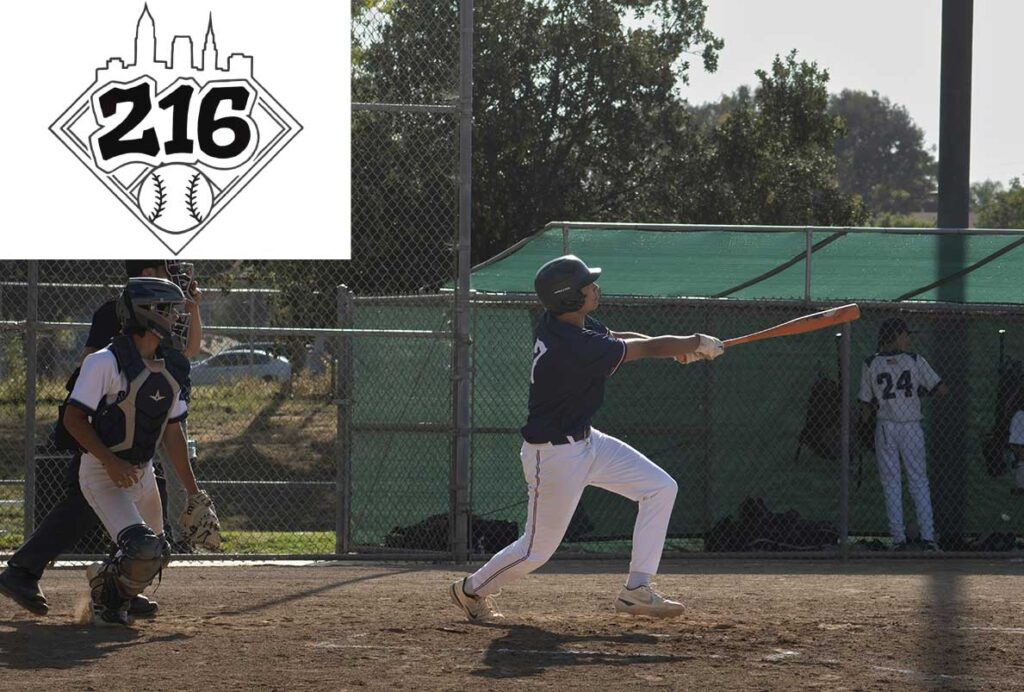
Every athlete begins with a structured hitting evaluation that may include:
This establishes a baseline and guides each player’s individualized development plan.
We teach proper sequencing and body control to create a more efficient and powerful swing.
Players learn:
The focus is on repeatable mechanics that hold up in real games—not just in drills.
Players follow age-appropriate progressions to improve bat speed, exit velocity, and barrel consistency. Training incorporates:
These sessions build a swing that produces real power without sacrificing control.
Great hitters don’t just swing well—they think well. We train hitters to:
This helps players make better decisions and become more dangerous at the plate.
Athletes practice hitting in realistic situations, including:
The goal is to transfer training results directly to real competition.
Each training block ends with a re-evaluation so players (and parents) can clearly see improvements in:
Players receive guidance for continued development between cycles.
To develop confident, well-rounded hitters who understand their swing, make smarter decisions at the plate, and consistently produce in game situations—whether preparing for the next age level, high school competition, or the college recruitment process.
© 2026 Hudson Fieldhouse. All Rights Reserved. Privacy Policy